Introduction
Retirement can bring something many people spend decades looking forward to: more time. But having more free time does not always automatically lead to a healthier or more fulfilling lifestyle. After years of work, commuting, family responsibilities, and fixed schedules, retirement can sometimes bring an unexpected loss of routine.
Days can become less structured. Physical activity may decrease, social interactions may become less frequent, and hobbies that once seemed exciting can be difficult to restart. Over time, this can make some retirees feel less energetic or connected.
The good news is that maintaining an active lifestyle after retirement does not require major lifestyle changes. Small adjustments to daily routines can encourage movement, social interaction, mental stimulation, and a greater sense of purpose.
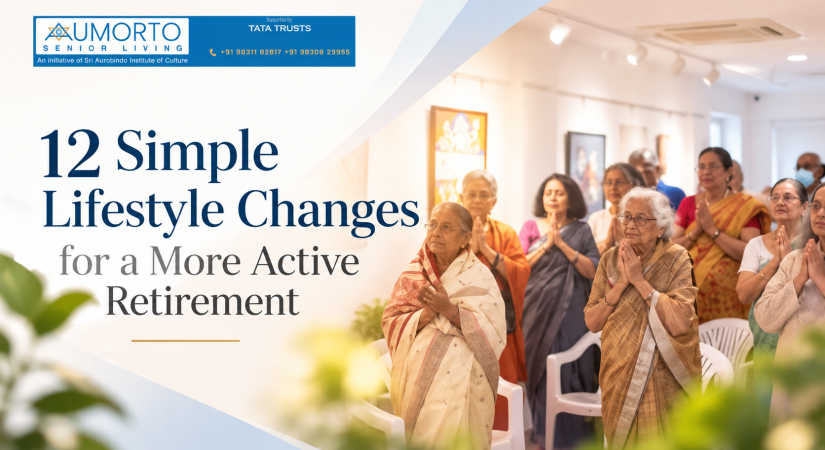
Here are 12 practical changes that can help make retirement more active, engaging, and enjoyable.
Start the Day With Movement and Build a Flexible Routine
One of the simplest ways to maintain an active lifestyle after retirement is to create a daily routine that includes movement from the beginning of the day.
During working years, people often move naturally through commuting, walking around an office, climbing stairs, shopping, and completing household responsibilities. Retirement can remove many of these opportunities. Replacing them with intentional movement can help maintain an active rhythm.
The goal isn’t to create a rigid schedule. Instead, develop a flexible routine that provides structure while leaving plenty of time for relaxation.
Consider starting with:
- A morning walk
- Gentle stretching
- Gardening
- Household activities
- Light exercises appropriate to individual abilities
- Regular breaks from prolonged sitting
For example, someone who previously spent an hour commuting could replace that inactive travel time with a 30-minute morning walk followed by stretching and breakfast.
Turn Exercise Into Something Enjoyable
Exercise is easier to maintain when it doesn’t feel like a chore. Instead of focusing only on formal workouts, find activities that naturally encourage movement.
Walking with friends, swimming, dancing, gardening, cycling, or participating in suitable fitness sessions can all make physical activity more enjoyable.
The best activity is one that can realistically become part of everyday life. Before starting a new exercise routine, older adults should consider their individual abilities and seek appropriate professional medical advice when necessary.
Small changes can make a difference:
- Take short walks throughout the day.
- Choose stairs when comfortable and safe.
- Spend time gardening.
- Join suitable group exercise sessions.
- Combine exercise with social activities.
Example: Instead of asking a retired parent to spend an hour exercising alone, their family could encourage them to join a morning walking group. The walk provides physical activity while the group provides companionship.
Rediscover Hobbies That Were Put on Hold
Retirement creates an opportunity to revisit interests that may have been neglected during working years. A hobby isn’t merely a way to pass time; it can provide structure, enjoyment, creativity, and a reason to look forward to the day.
Think about activities your parents or other family members enjoyed earlier in life. They might have stopped painting, reading, gardening, cooking, photography, music, or travelling because work and family responsibilities took priority.
Create a list of interests worth revisiting:
- Reading and writing
- Painting or crafts
- Music
- Gardening
- Photography
- Cooking
- Travel
- Collecting
- Local cultural activities
An active retirement is not only about physical movement. Staying mentally and creatively engaged is equally important for building a fulfilling daily routine.
Make Social Interaction Part of the Weekly Routine
Retirement can sometimes reduce the number of everyday social interactions a person experiences. Colleagues may no longer be part of their daily lives, while adult children may be busy with careers and their own families.
Regular social interaction can help create a stronger sense of connection and belonging.
Instead of waiting for social opportunities to appear, make them part of the weekly routine.
Ideas include:
- Meeting friends for breakfast
- Joining a hobby group
- Participating in cultural activities
- Attending community events
- Volunteering
- Joining walking or fitness groups
For someone living alone, even two or three regular social activities each week can give the calendar more structure and create opportunities to form new friendships.
Explore a More Community-Oriented Way of Retirement
For some retirees, maintaining an active lifestyle after retirement becomes easier when their everyday environment naturally encourages interaction and participation.
A home environment that offers limited opportunities for social interaction can make it harder to remain engaged. In contrast, a well-designed community can bring people together through shared activities, recreational spaces, wellness programs, events, and everyday interactions.
For families exploring options that combine independence with opportunities for connection, senior living communities like Aumorto senior living can be one option worth researching. The right community can provide an environment where older adults can maintain their privacy while also having opportunities to participate in activities and build relationships.
When evaluating such an environment, consider:
- Recreational and fitness opportunities
- Social and cultural activities
- Accessibility and safety
- Dining and everyday convenience
- Opportunities for hobbies
- Healthcare accessibility
- Privacy and independence
The objective should not be to replace family relationships but to create an additional support system and social environment.
Set Small Personal Goals
Retirement doesn’t have to mean giving up goals. In fact, having something to work toward can make everyday life more engaging.
Goals don’t need to be ambitious. Learning five new recipes, completing a book every month, improving gardening skills, or walking a particular distance can provide motivation.
Try setting goals around:
- Fitness
- Learning
- Hobbies
- Travel
- Volunteering
- Creativity
- Personal projects
Example: A retired professional who always wanted to learn photography could set a simple goal of taking and editing one photograph every day. Within a few months, the project could develop into a meaningful hobby.
Keep Learning Something New
An active retirement should include opportunities for mental stimulation. Learning doesn’t have to involve returning to formal education.
Older adults can explore online courses, workshops, lectures, books, museums, local classes, or new technologies.
Learning activities could include:
- A new language
- Digital photography
- Cooking
- Art
- History
- Music
- Technology
- Financial literacy
Learning alongside other people can offer an additional benefit: it creates another opportunity for social interaction.
Make Everyday Activities More Active
Daily activities can provide opportunities for movement without feeling like exercise.
Walking to a nearby shop, tending to plants, preparing meals, visiting a local market, or taking part in household activities can all help create a more active routine.
Rather than completing everything through convenience-based options, identify activities that can safely involve movement.
For example, instead of ordering every grocery item online, a retiree who is comfortable doing so might occasionally walk to a nearby shop with a friend. The activity combines movement, independence, and social connection.
- Spend More Time Outdoors
Spending time outdoors can add variety to a daily routine. Parks, gardens, walking paths, community spaces, and outdoor recreational areas can provide opportunities to move around and interact with others.
A simple outdoor routine could involve:
- Morning walks
- Gardening
- Outdoor reading
- Visiting parks
- Photography
- Community activities
- Walking with friends
The important consideration is comfort and safety, particularly during extreme weather conditions.
Stay Connected With Family Without Depending Entirely on Family
Family relationships remain extremely important during retirement, but older adults can benefit from having interests and relationships beyond their immediate family.
Adult children may live in another city or have demanding schedules. Building an independent social routine means parents can continue enjoying an engaging lifestyle even when family members aren’t physically present.
Regular calls, visits, shared meals, and celebrations can remain important while parents also develop their own activities and friendships.
This balance can benefit everyone: parents maintain independence, while children can remain emotionally connected without feeling that they must personally provide every form of social interaction.
Create a Weekly Activity Plan
A simple weekly plan can prevent retirement days from becoming repetitive.
Rather than planning every hour, identify a few activities that provide variety throughout the week.
For example:
- Monday: Walking and gardening
- Tuesday: Hobby class
- Wednesday: Family lunch
- Thursday: Fitness activity
- Friday: Friends or community event
- Saturday: Shopping or outing
- Sunday: Relaxation and family time
The plan should remain flexible. Some days should deliberately contain nothing other than rest and personal time.
Choose an Environment That Supports Active Ageing
Lifestyle choices become easier when the surrounding environment supports them. Access to safe walking spaces, recreational activities, social opportunities, convenient services, and like-minded people can influence how easily retirees remain engaged.
This is why families thinking about long-term retirement arrangements should consider more than the physical home itself. The surrounding lifestyle can be equally important.
When comparing different active retirement lifestyle options, ask whether the environment encourages independence while providing opportunities for meaningful engagement.
Consider:
- Is there easy access to recreational activities?
- Can residents pursue their existing hobbies?
- Are there opportunities to meet other people?
- Is the environment accessible and comfortable?
- Are wellness activities available?
- Can residents maintain their independence?
- Is there appropriate support if their needs change over time?
Aumorto Senior Living is designed for active seniors who want to enjoy retirement with independence, companionship, and a meaningful daily lifestyle. With opportunities for recreation, wellness, social interaction, hobbies, cultural activities, and community engagement, Aumorto provides an environment where seniors can stay active, connected, and young at heart.
The right environment should complement an individual’s lifestyle rather than dictate it.
Conclusion
Maintaining an active lifestyle after retirement doesn’t require constantly staying busy or following an intensive fitness program. A fulfilling retirement can come from small, consistent choices that encourage movement, social interaction, learning, hobbies, independence, and purpose.
Creating a flexible routine, rediscovering old interests, setting personal goals, spending time outdoors, and staying socially connected can transform how retirement feels from day to day.
For older adults looking for a supportive community, Aumorto Senior Living offers a lifestyle designed for active ageing. With opportunities for wellness, recreation, hobbies, cultural activities, social interaction, and meaningful connections, Aumorto encourages seniors to remain active, independent, and engaged while enjoying the companionship of like-minded people.
Ultimately, retirement is not simply about having more free time. It is an opportunity to decide how that time is spent—and with the right habits, relationships, and environment, it can become one of the most active and fulfilling stages of life.
Frequently Asked Questions
1. What lifestyle changes can help make retirement more active?
Simple changes such as regular walking, gentle exercise, eating a balanced diet, maintaining a consistent sleep routine, pursuing hobbies, and staying socially connected can help create a more active and fulfilling retirement.
2. How much physical activity should seniors include in their daily routine?
The amount and type of activity should depend on an individual’s health, mobility, and fitness level. Walking, stretching, yoga, light strength exercises, and other low-impact activities can be incorporated gradually, with medical guidance when appropriate.
3. How can seniors stay mentally and socially active after retirement?
Learning new skills, reading, gardening, music, creative activities, volunteering, meeting friends, and participating in community events can provide mental stimulation and social interaction. A structured daily routine can also make it easier to remain engaged and active.